Resistant Dextrin Compatibility: A Fast Guide for Beverages, Bakery, Powders & Tablets
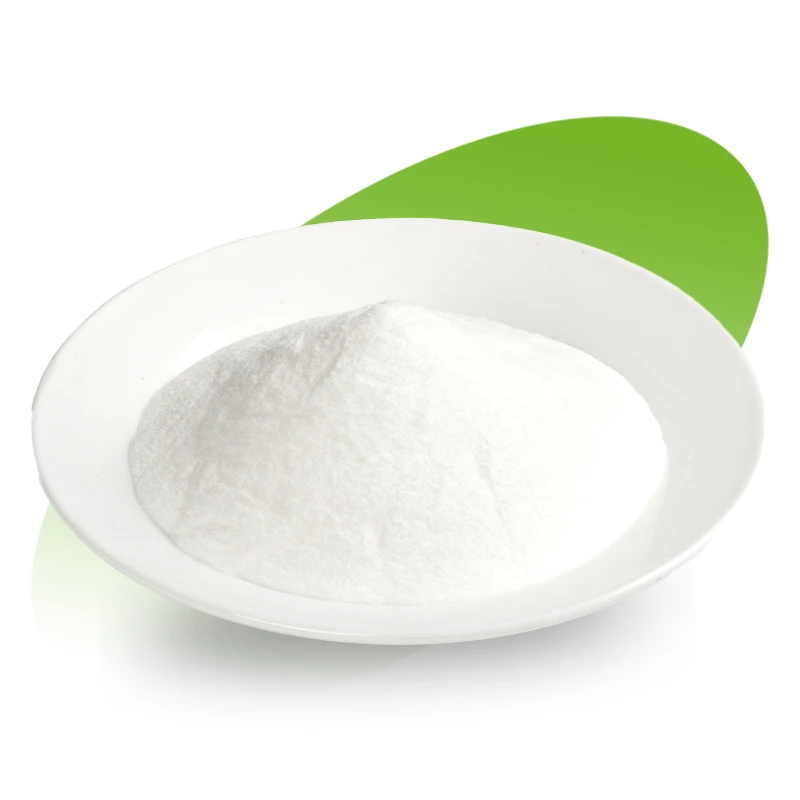
Resistant dextrin--frequently referred to in the industry as resistant maltodextrin fiber, represents a cornerstone in modern functional food formulation. Derived from non-GMO corn starch, this soluble dietary fiber is engineered to provide a neutral taste profile, exceptionally low viscosity, and robust processing stability. At Shandong Shine Health Co., Ltd, our resistant dextrin typically delivers a fiber content of ≥82% (with options up to 90% on a dry basis), presenting a white to light-yellow powder with approximately 70% solubility. These characteristics make it the ideal invisible fiber source for clear beverages, functional baked goods, nutritional powders, and dietary supplements.

The Technical Edge of Resistant Dextrin
For food scientists and product developers, the challenge often lies in boosting nutritional profiles without compromising sensory attributes. Resistant dextrin solves this by offering a clean sweetness and low hygroscopicity, ensuring that the final product maintains its intended texture and flavor. Unlike high-viscosity fibers that can thicken beverages into sludge or make bars gritty, resistant dextrin dissolves clearly and contributes to a smooth mouthfeel.
Our manufacturing process utilizes advanced biological enzymes imported from overseas and a precision production line of German origin. This combination of high-tech equipment and rigorous craftsmanship allows us to control the molecular weight distribution precisely, ensuring consistent solubility and physiological functionality batch after batch.
Typical Use Levels and Dosage Guidelines
Determining the correct inclusion rate is critical for balancing nutritional claims with cost and sensory performance. Below is a quick reference card for common applications based on our internal R&D trials and customer success stories:
- Functional Beverages: 1–8 g per serving. Ideally suited for clear waters, teas, and carbonated soft drinks due to its transparency.
- Nutrition Powders & Meal Replacements: 2–8% w/w. It aids in dispersion and provides a creamy mouthfeel without excessive thickening.
- Bars & Bakery Products: 5–12% w/w. It acts as a humectant, helping to retain moisture and extend shelf life while boosting fiber content.
- Tablets & Capsules: 1–25% of the formula. It functions as an excellent binder and filler with low water activity.
Comprehensive Compatibility Matrix
Understanding how resistant dextrin interacts with other ingredients is vital for formulation stability. Our technical team has compiled the following compatibility matrix to assist in your development process.
| Ingredient Class | Compatibility | Typical Use | Practical Notes | Watch-outs |
|---|---|---|---|---|
| Sugars & Polyols | High | 0.5–50% blends | Blends smoothly and keeps viscosity low; excellent for sugar reduction strategies. | Reducing sugars combined with strong heat may increase Maillard browning. |
| Proteins (Whey/Plant) | Good | 1–8% in drinks | Works well in neutral to mildly acidic RTD systems; prevents protein precipitation. | Trial across target pH ranges to confirm no sediment formation over time. |
| Acids / Low pH | High | Up to label limits | Resistant dextrin is exceptionally stable across pH 2–8. | Re-check the sweetness balance after sugar reduction, as acid perception may spike. |
| Minerals / Salts | Good | Per dose | Low viscosity helps dispersion and prevents salting-out effects. | High ionic strength can affect proteins in the matrix, though the fiber itself remains stable. |
| Flavors & Sweeteners | Good | 0.1–2% flavors | Can act as a spray-drying carrier for flavors, protecting volatiles. | Protect volatiles during high-temperature drying processes. |
| Tablets & Coatings | Good | As needed | Supports neutral bulking and excipient roles; improves tablet hardness. | Verify hardness and disintegration times in the final tablet formulation. |
Application-Specific Formulation Rules
Beverages: RTD, Concentrates, and Sports Shakes
In beverage applications, clarity and viscosity are paramount. Resistant dextrin is favored because it does not increase viscosity significantly, even at high concentrations. For cold processing, we recommend adding the powder under higher shear to ensure rapid hydration. For hot processing, pre-dissolving in warm water is effective. Start formulations with 1–3 g/serving for general wellness claims, increasing toward 5–8 g for high-fiber positioning. When replacing bulk sugar, remember to rebalance the sweetness profile using high-intensity sweeteners (HIS) or polyols, as resistant dextrin has a low sweetness level.
Bakery, Energy Bars, and Snacks
In baked goods, resistant dextrin contributes to the "clean label" trend while improving texture. Use it at 5–12% w/w to raise fiber content without making the dough sticky or heavy. It also helps in moisture retention, keeping cakes and soft cookies fresh for longer. Formulators should adjust the dough water content slightly to match the fiber’s water-binding capacity, although it is lower than that of insoluble fibers.
Powders, Tablets, and Film Coatings
For dietary supplements, resistant dextrin serves multiple roles. In protein powders and meal replacements (2–8% w/w), it improves dispersibility and reduces clumping. In tablets, it acts as a robust, low-sweetness bulking excipient. It is directly compressible and compatible with various active ingredients. Always confirm compression settings and disintegration times during scale-up.

Processing Stability & QC Essentials
One of the defining features of our resistant dextrin is its resilience. It tolerates baking temperatures, UHT pasteurization, and spray-drying conditions without degrading or losing its functional properties. It remains stable across a wide pH range (pH 2–8), making it suitable for acidic juices and neutral dairy products alike.
For routine Quality Control (QC), we recommend tracking:
- Appearance: Should remain white to light yellow.
- Solubility: Rapid dispersion in water.
- Particle Size: Crucial for dry blends and tableting consistency.
- Water Activity: Kept low to ensure stability.
- Microbial Limits: Strictly monitored in our GMP-certified facility.
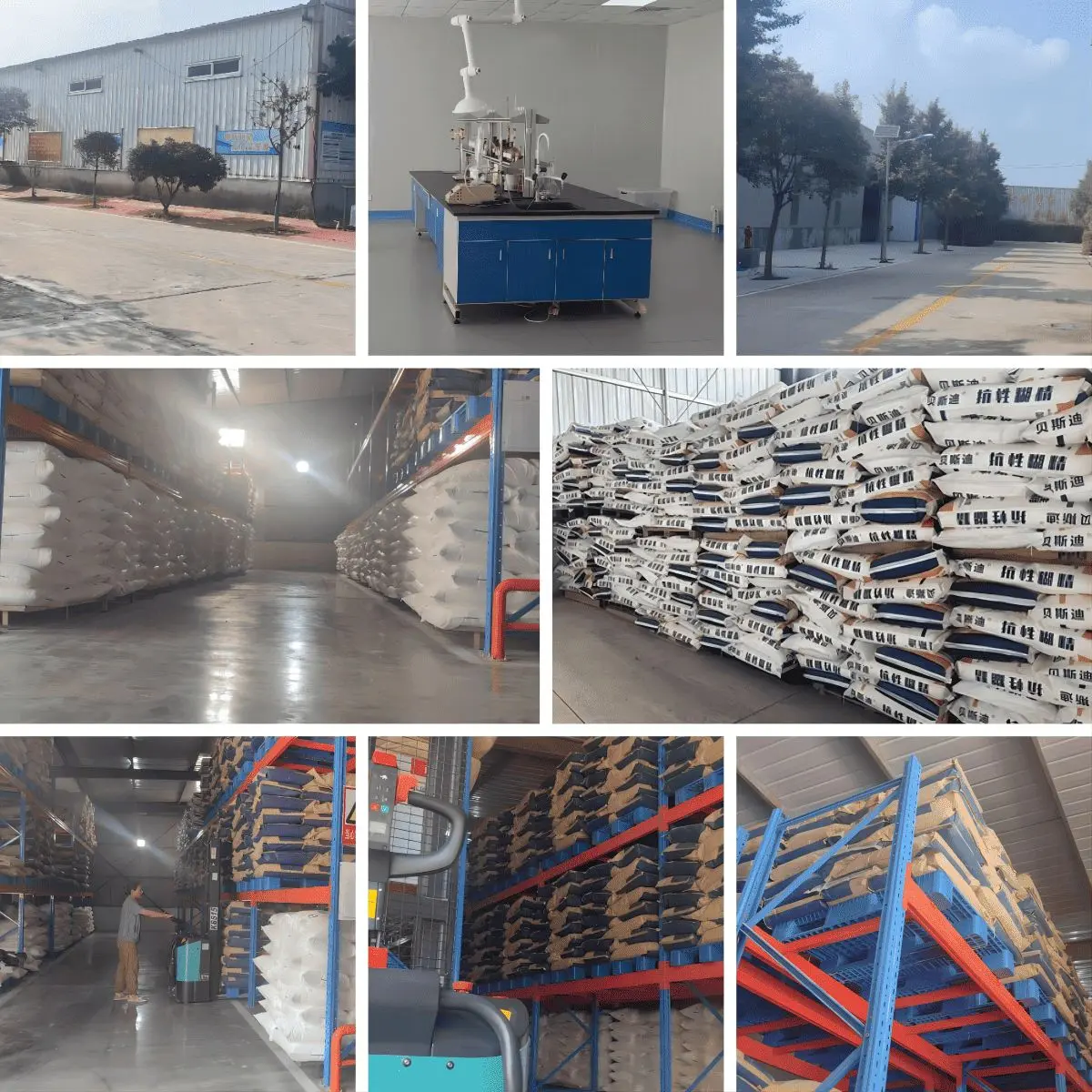
Our production facility employs a fully automated central control system, covering everything from raw material feeding to final product filling. This "unmanned" production line concept minimizes human error and ensures that every batch meets strict hygiene and quality standards.
Packaging, Supply Chain, and Support
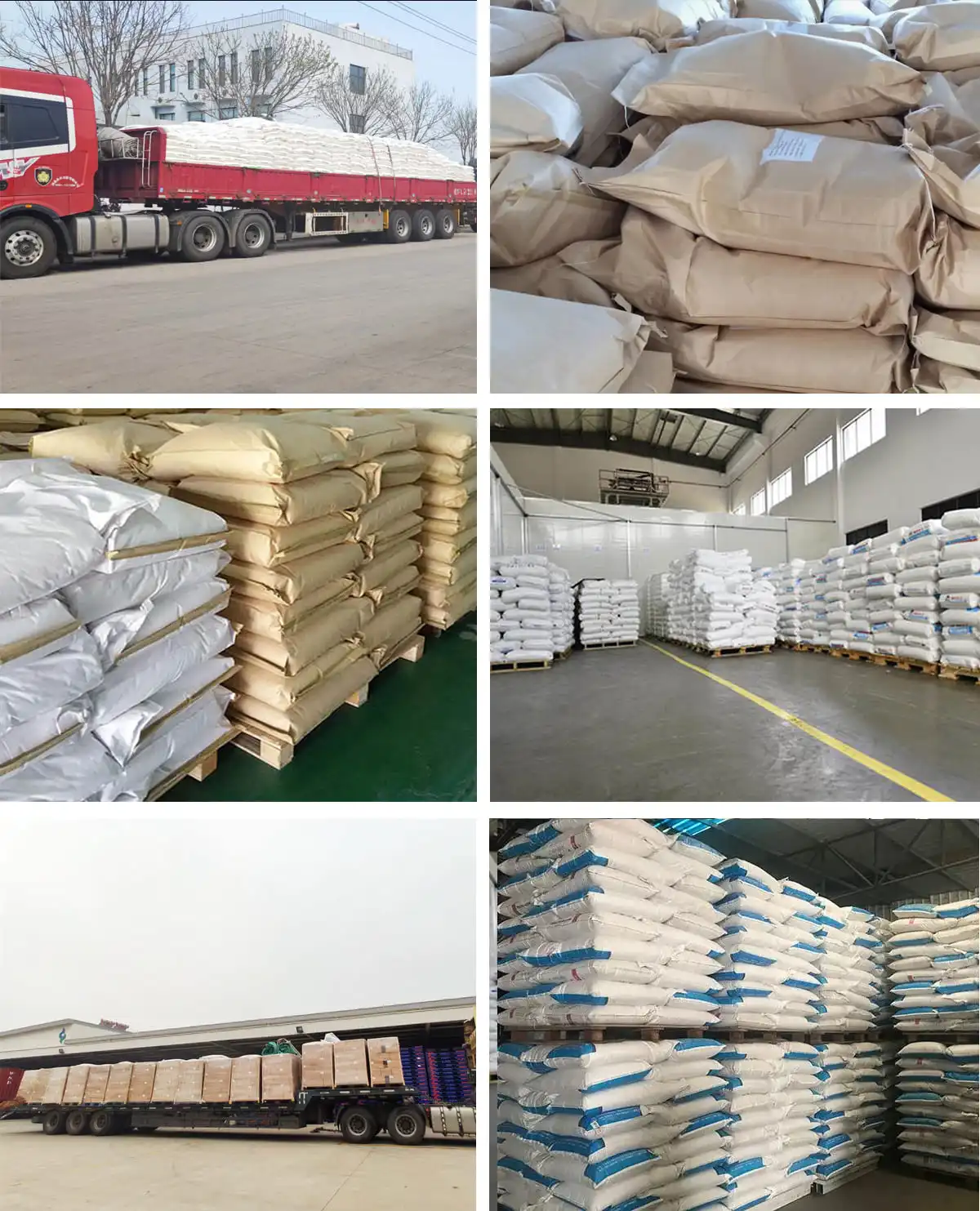
Reliability in supply is just as important as product quality. We supply resistant dextrin in 25 kg kraft paper bags with a PE liner, designed to protect the product from moisture and contaminants. We also offer custom packaging options for bulk orders or private-label projects to suit your specific logistical needs.
Our company strength lies in our integrated supply chain. We source our raw materials—premium corn starch—from trusted producers in China, ensuring a stable and Non-GMO origin. With certifications including ISO9001, BRC, HALAL, HACCP, and KOSHER, we are prepared to meet the regulatory requirements of global markets.
If you need assistance aligning resistant dextrin with your specific beverage, bakery, powder, or tablet target, our R&D team is ready to share sample concepts and practical QC checkpoints.
Frequently Asked Questions (FAQ)
Q: What is the primary raw material for your Resistant Dextrin?
A: We use high-quality, Non-GMO corn starch as our primary source. We also have capabilities to source organic corn or tapioca upon request for specific formulations.
Q: Does resistant dextrin contain gluten?
A: No, our resistant dextrin is gluten-free. It is produced from corn, making it a safe choice for gluten-free and allergen-friendly formulations.
Q: Can this fiber be used in clear beverages?
A: Absolutely. It has excellent solubility and forms a clear solution in water, making it perfect for fortified waters, sports drinks, and clear juices without causing cloudiness.
Q: What is the shelf life and storage condition?
A: The product has a long shelf life when stored correctly. It should be kept in a cool, dry place. Its low water activity prevents caking and ensures stability over time.
Q: Do you offer samples for R&D trials?
A: Yes, we encourage testing. You can request samples to verify compatibility with your specific matrix.
Get in Touch
Ready to enhance your product line with high-quality fiber? Contact us for quotes, technical data sheets, or samples.
- Email: info@sdshinehealth.com
- Phone / WhatsApp: +86-13405443339
- Contact Person: Henry Liu
- Address: Yongan Building, No.268 Quangcheng Road, Jinan City, China
References
- Shine Health. (n.d.). Resistant dextrin product page. https://www.sdshinehealth.com/resistant-dextrin/resistant-dextrin-1.html
- Shine Health. (n.d.). Tablet coating systems. https://www.sdshinehealth.com/coating-agents/tablet-coating-1.html
- Zhen, Y., Zhang, T., Jiang, B., & Chen, J. (2021). Purification and characterization of resistant dextrin. Foods, 10(1), 185. https://doi.org/10.3390/foods10010185
- Chen, W., Zhang, T., Ma, Q., Zhu, Y., & Shen, R. (2022). Structure characterization and potential probiotic effects of resistant dextrins. Foods, 11(13), 1877. https://doi.org/10.3390/foods11131877
- Wu, X., Zhang, J., Yan, X., Wu, X. X., Zhang, Q., & Luan, M. (2024). Structural properties, health benefits, and applications of resistant dextrin. Journal of Food Processing and Preservation. https://doi.org/10.1155/2024/8055063