Powdered Low‑Sugar Drinks: A Practical Launch Playbook from Co‑Packer to Retail Shelf

Launching a powdered low-sugar drink involves more than just a great flavor idea. Today's retail buyers expect a comprehensive package: a stable formulation, clear analytical data, compliant labels, and a co-packer capable of scalable, consistent production. As a manufacturer of polydextrose, resistant dextrin, and other functional fibers, we partner with brands through every stage of this journey—from initial lab samples to commercial pallets.
Below is a practical, buyer-ready checklist for bringing a powdered low-sugar drink from concept to shelf, typically within 60–120 days.
Buyer Sample Kit: Your First Impression with Retailers
Before any listing discussion, buyers want to taste, see, and quickly understand your powdered low-sugar drink. A compact, well-organized sample kit streamlines the process and builds confidence.
What to include in a buyer-ready kit
- One-page sell sheet
A clear summary of the SKU name, flavor, target consumer, serving size, and key nutrition highlights (e.g., grams of sugar, grams of fiber, calories). Include GTIN/UPC, MOQ, standard lead time, and a brief shelf-life statement. - Physical samples
Provide at least one single-serve sachet and one mock retail carton or pouch. This allows buyers to evaluate graphics, the opening experience, and shelf impact. - Supporting documentation
A concise COA snapshot (covering moisture, fiber content, and microbiology), an allergen statement, and a brief description of your co-packing capabilities. - Downloadable assets
High-resolution product photos, pack shots, and PDFs of full lab reports, all hosted on your cloud or website.
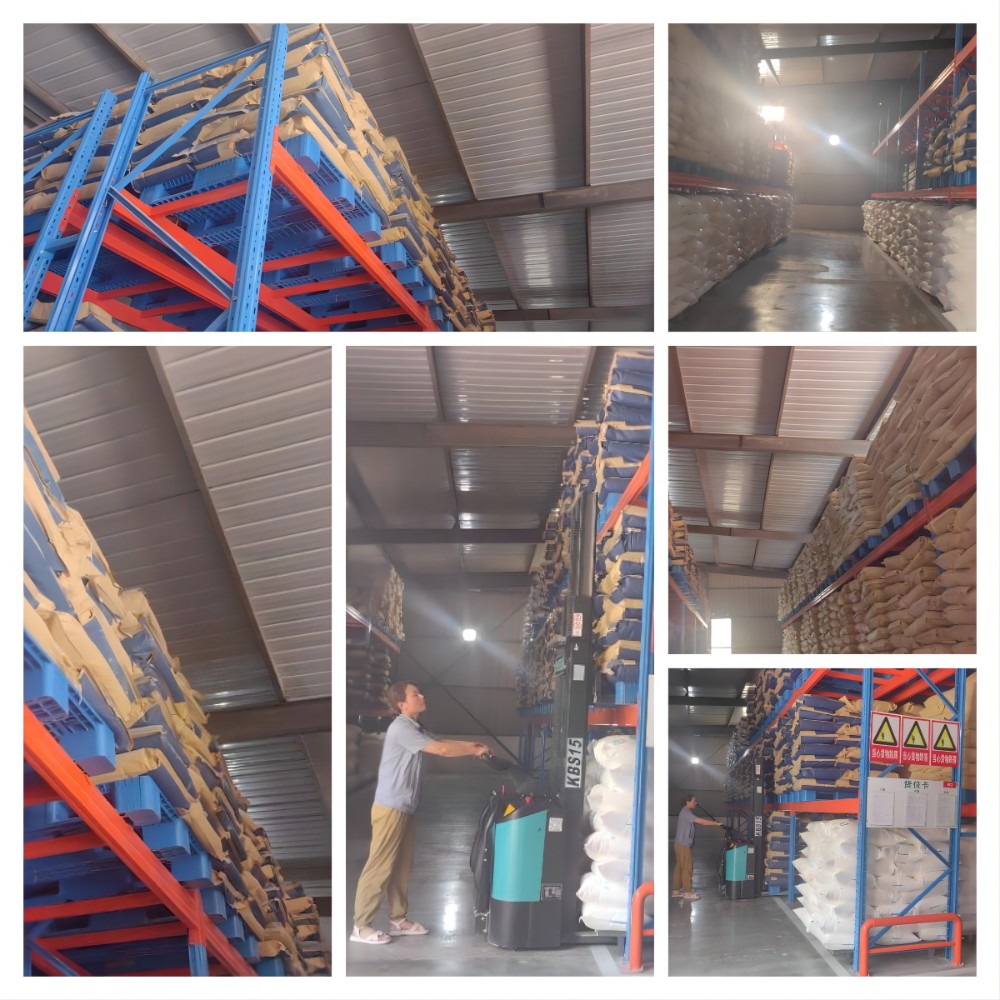
A strong sample kit positions your powdered low-sugar drink as “launch-ready,” moving it beyond an “early concept” stage.
Formulation: Building a Stable Low-Sugar Base with Functional Fibers
For powdered low-sugar drinks, structure and mouthfeel are just as important as sweetness. This is where polydextrose and resistant dextrin prove especially effective.
Why polydextrose and resistant dextrin work so well
- Neutral flavor profile – They won't introduce off-notes, ensuring your flavor system remains clean and distinct.
- High solubility, low viscosity – Perfect for instant mixes that need to dissolve quickly without becoming thick or cloudy.
- Prebiotic, low-calorie profile – These allow for meaningful fiber claims and help significantly reduce the sugar and calorie load per serving.
- Process and pH stability – Resistant dextrin (with ≥82% fiber) maintains clarity and stability, even in acidic systems.
In a typical powdered low-sugar drink mix, many brands begin with 2–6 grams of fiber per serving from polydextrose, resistant dextrin, or a combination. High-intensity sweeteners and natural flavors are then added.

As an ingredient manufacturer, we provide detailed specifications and Certificates of Analysis (COAs) covering fiber content, solubility, microbiology, heavy metals, and allergen status. This helps your R&D and QA teams quickly qualify our polydextrose and resistant dextrin.
Safety, Stability, and Testing: Non-Negotiables Before Buyer Outreach
Even the best-tasting low-sugar instant beverage can face hurdles in review if its data package is lacking. A simple yet robust analytical program is crucial.
Core analytical tests for powdered low-sugar drinks
- Routine chemistry: moisture, ash, water activity (Aw), and basic proximate analysis.
- Microbiology: total plate count, yeast and mold, coliforms; additional pathogens if required by retailers.
- Contaminant screening: heavy metals, mycotoxins, and pesticides, where relevant to your raw materials.
Stability and shelf-life
- Accelerated studies (e.g., 40 °C / 75% RH) combined with real-time data to substantiate your best-by date.
- Pre-defined pass/fail criteria: covering sensory profile, Aw drift, caking, or visible discoloration.
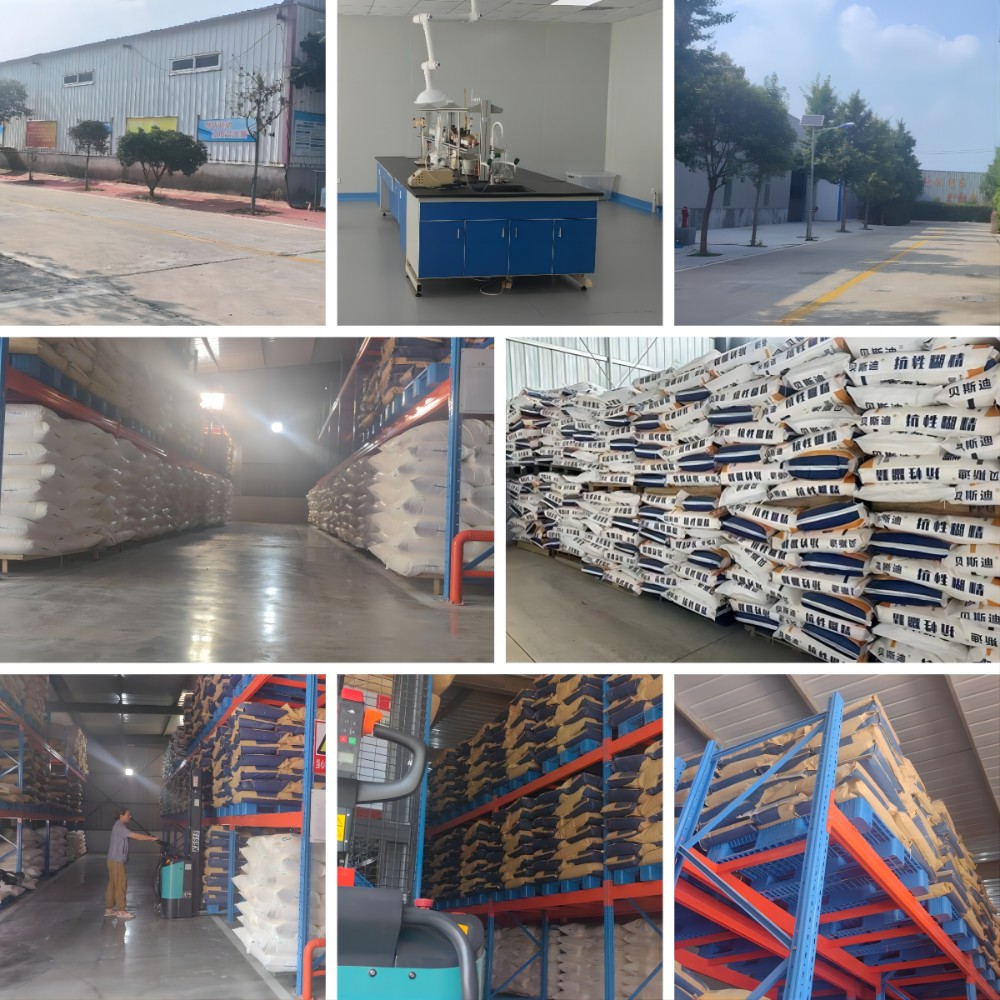
Each sample and commercial batch should be linked to a lot-specific COA, a chain-of-custody record, and its production date. This traceability reassures retail QA teams that your powdered low-sugar drink is consistently controlled.
Manufacturing Readiness: Choosing and Qualifying a Co-Packer
Once the formula and data are solid, you'll need a co-packer that can produce your powdered low-sugar drink at commercial scale.
Key points to confirm during co-packer qualification
- Full ingredient and packaging traceability (from raw material to finished pallet).
- Clear master batch records with defined process steps, in-process checks, and target moisture/Aw.
- GMP/FSMA programs, robust allergen control, metal detection, and foreign-body control measures in place.
- Ability to generate batch-specific COAs that align with your specifications.
- Proven recall and corrective-action procedures.
Most brands adopt a phased approach: pilot run → validation run → scale-up. With testing pre-booked and documentation prepared early, a 60–120 day window from pilot to first commercial shipment is a realistic target.
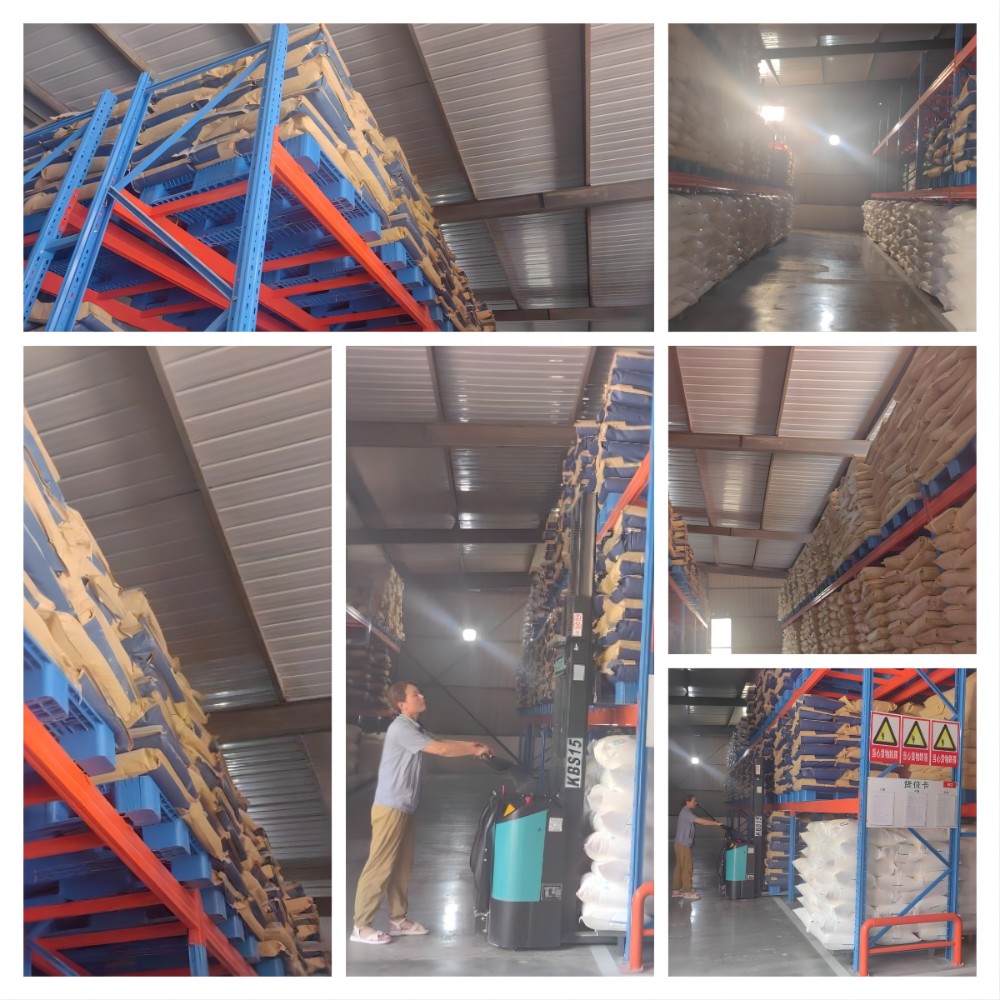
As a fiber manufacturer, we collaborate closely with co-packers, ensuring our ingredient specifications align seamlessly with their blending, filling, and packaging capabilities.
Labeling and Compliance: Positioning “Low-Sugar” Correctly

For powdered low-sugar drinks sold into the U.S., you will typically choose either the conventional food or dietary supplement pathway.
Whichever path you take, your label should clearly display:
- Nutrition or Supplement Facts panel with calories, total carbohydrates, total sugars, added sugars, and dietary fiber.
- Ingredient list in descending order by weight, with polydextrose, resistant dextrin, or other fibers clearly declared.
- Allergen statements that comply with FALCPA if any major allergens are present.
- Claims support: analytical documentation that substantiates “low sugar,” “reduced sugar,” or “sugar-free” language.
Early coordination between your regulatory, R&D, and design teams helps prevent late-stage artwork changes that can delay your launch.
Retail Onboarding and Logistics: From Case Codes to Pallets
Retailers demand more than just a compelling powdered low-sugar beverage concept; they also require precise data for their systems.
Ensure you have:
- A GS1 company prefix and unique GTINs/UPCs for each flavor and pack size.
- Tested barcodes on both primary and secondary packaging.
- Defined case pack and pallet configurations (units per case, cases per layer, layers per pallet).
- GS1-128/SSCC-18 pallet labels and the capability to send ASNs/EDI when requested.
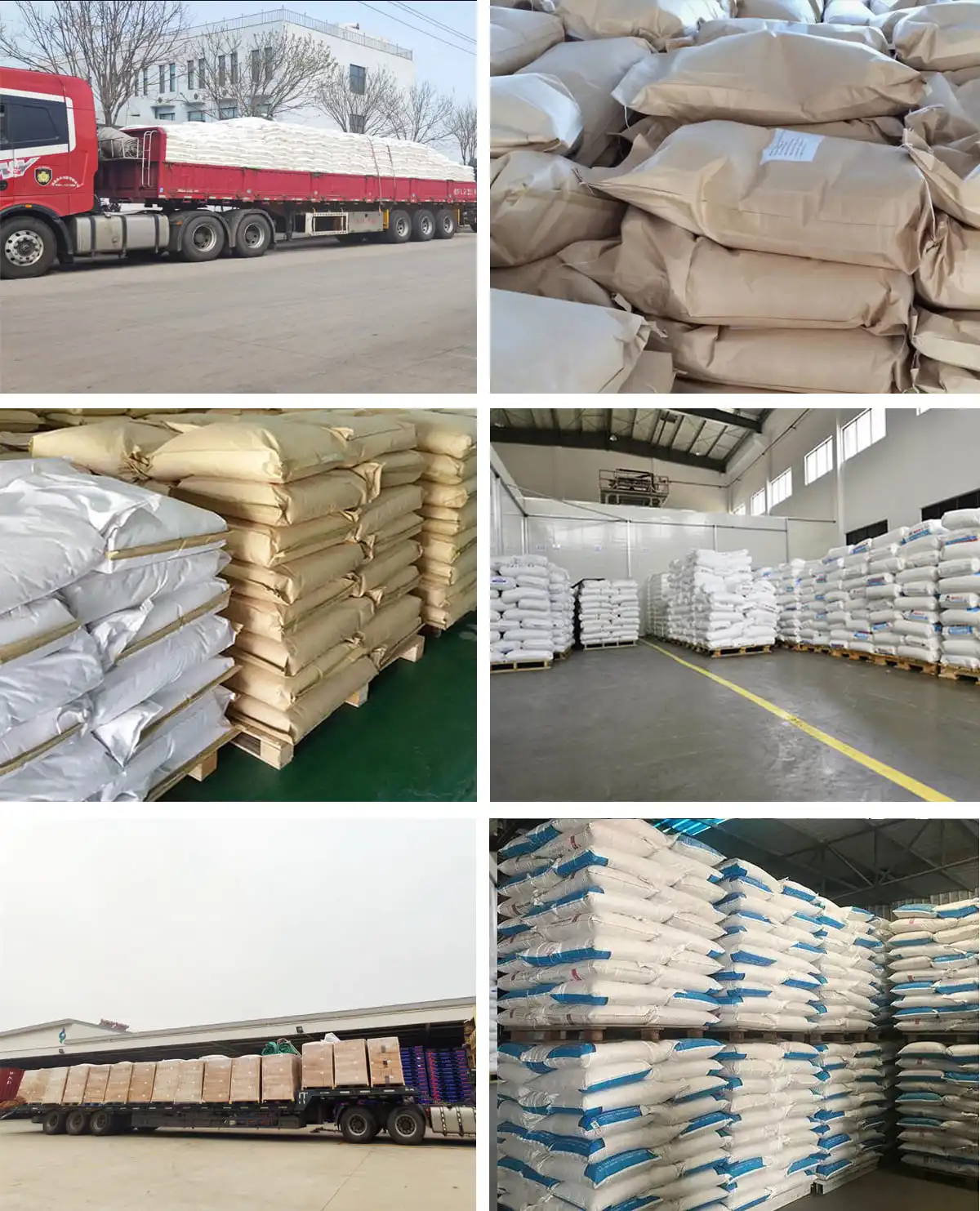
When these foundational elements are ready before engaging with major chains, the transition from listing approval to first delivery becomes significantly smoother and faster.
Pilot Launch and Continuous Improvement
A focused pilot program helps you validate your powdered low-sugar drink in real stores without over-committing inventory.
Practical pilot metrics
- Sell-through velocity over the initial 4–6 weeks.
- Rate and nature of consumer complaints (e.g., caking, dissolution, taste, packaging integrity).
- Operational KPIs: on-time delivery, damage in transit, and returns.
Maintain COAs, detailed complaint logs, reserve samples, and conduct internal mock recall drills. These practices not only safeguard your brand but also build trust with retailers considering broader distribution.
How We Support Your Low-Sugar Drink Launch

Shandong Shine Health Co., Ltd. supplies polydextrose, resistant dextrin, and other functional fibers that form the backbone of many successful powdered low-sugar beverages. Our automated production, non-GMO raw materials, and fully equipped QC laboratories are specifically designed to serve brands that require:
- Consistent, high-purity soluble fiber for instant drink mixes.
- Expert technical support on fiber selection, dosage, and solubility.
- Reliable documentation packages for both buyer and regulatory reviews.
If you'd like a printable checklist or a 60–120 day project timeline for launching a powdered low-sugar drink, please contact our commercialization team:
- E-mail: info@sdshinehealth.com
- WhatsApp: +86 13405443339
- Company: Shandong Shine Health Co., Ltd.
We can help you integrate formulation, ingredients, co-packing, and retail requirements into one cohesive launch plan.
References
- Boehm, R. T., Donhowe, D. P., Mathias, P. A., Fu, X., Rechtiene, J. B., Kessler, U., & Sudharsan, M. B. (2017). Instant beverage product [Patent documentation]. Retrieved from https://www.semanticscholar.org/
- U.S. Food and Drug Administration. (2020). Food labeling guide: Guidance for industry. Center for Food Safety and Applied Nutrition.
- U.S. Food and Drug Administration. (2018). Dietary supplements: New dietary ingredient notifications and related issues.
- U.S. Pharmacopeia. (2022). General chapter on water activity and stability testing of dietary supplements.
- International Council for Harmonisation. (2019). Q1A(R2) Stability testing of new drug substances and products.
- GS1. (2023). General specifications for GTIN, UPC, SSCC and GS1-128 barcodes.
- Academy of Nutrition and Dietetics. (2021). Health implications of low-calorie sweeteners and soluble dietary fibers in beverage applications.
- Institute of Food Technologists. (2020). Functional fiber ingredients in powdered beverages: Technical considerations for product developers.
- Shandong Shine Health Co., Ltd. (2025). Polydextrose and resistant dextrin product data sheets and application notes.
- European Food Safety Authority. (2017). Scientific opinion on the safety of polydextrose and resistant dextrin as food ingredients.