Farm-to-Formula Proof for Non‑GMO Corn Dietary Fiber Buyers
Buying non-GMO corn dietary fiber across borders shouldn’t feel like a guessing game. At Shandong Shine Health Co., Ltd., we believe trust is built on transparency. Our Farm‑to‑Formula Non‑GMO Traceability Pack turns the full journey—from contracted fields in China through finished export lots—into a clean, auditable set of records for QA, procurement, and regulatory teams in the United States, the European Union, the United Kingdom, and Japan. This system supports our non-GMO resistant dextrin, non-GMO soluble corn fiber, and polydextrose programs with consistent batch IDs, practical chain‑of‑custody evidence, and fast document turnaround, ensuring your supply chain remains secure and compliant.

From Our Fields to Your Formula
We begin with premium non‑GMO corn starch sourced from selected farming partners in China, specifically from regions known for their agricultural purity. Each partner provides seed/planting attestations, and we meticulously record origin details including the region, harvest window, and storage conditions.
From there, segregation is maintained with dedicated handling practices. This ensures that non‑GMO lots for our non-GMO resistant dextrin and non-GMO soluble corn fiber stay strictly separate from conventional streams, preserving the integrity of the final ingredient.
Batch IDs, Testing, and Trace Files You Can Audit
Every bag and pallet carries a structured batch ID (example: YYYYMMDD-PLANT-LOT). That code links directly to intake checks, in‑process QC, and the finished Certificate of Analysis (COA).
Our in-house laboratory, fully equipped for rigorous testing, checks key indicators such as moisture, fiber content, and microbiology for each batch. We utilize advanced biological enzymes and precision production lines of German origin to ensure consistency. Furthermore, third‑party GMO/PCR testing can be arranged per your specific buyer program requirements.
When needed, we share trace files (CSV or JSON) to support importer due diligence and documentation workflows.

Specs snapshot (typical)
| Product | Fiber (typ.) | Moisture (typ.) | Notes for buyers |
|---|---|---|---|
| Non-GMO resistant dextrin | ≥90.0% | ≤5% | Batch COA each lot; third‑party GMO/PCR available on request |
| Non-GMO soluble corn fiber | ≥82% | ≤5% | Batch COA each lot; functional checks (solubility/clarity) each lot |
Export-Ready Documents (Built for Procurement and QA)
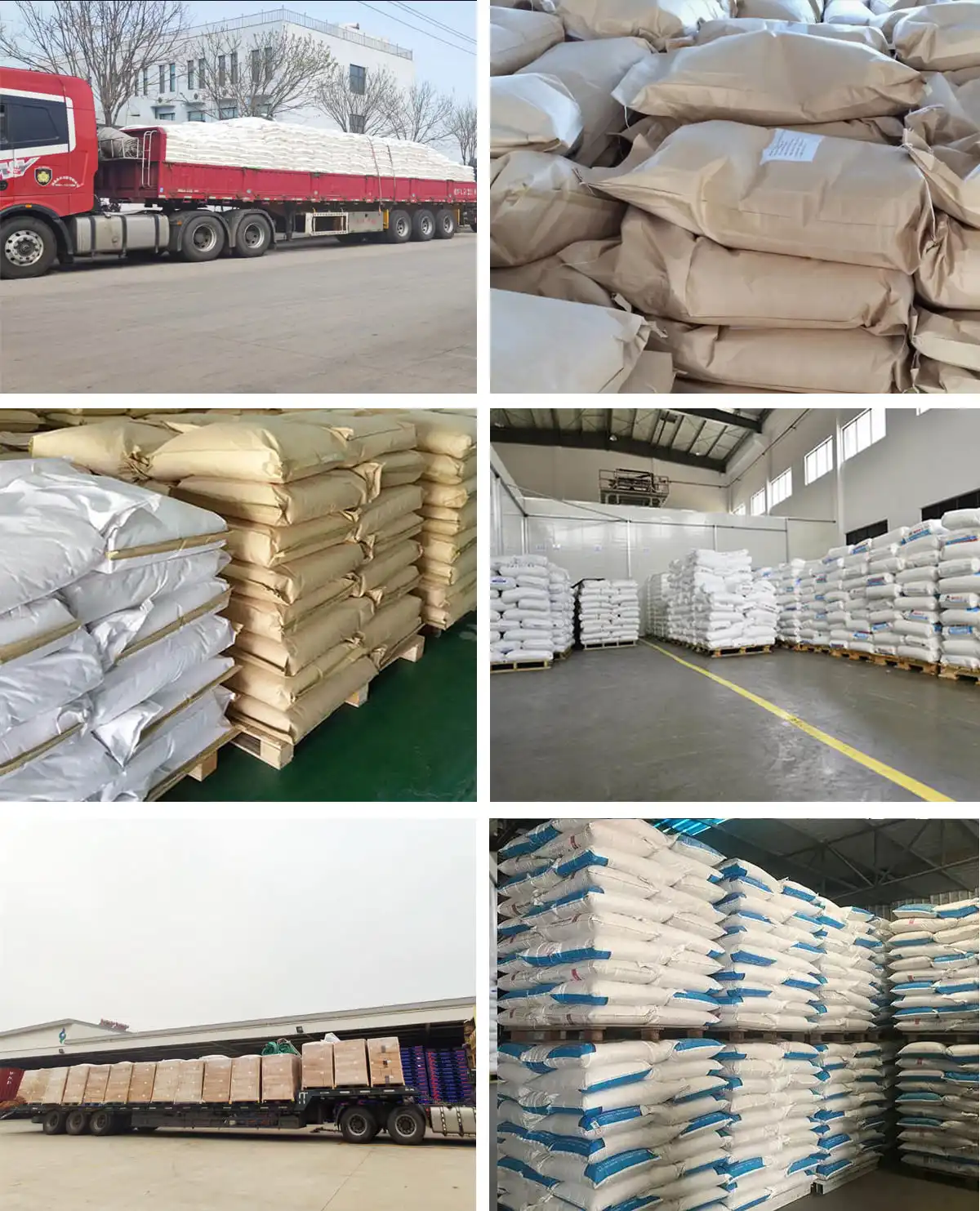
Your Traceability Pack is designed to be scannable and easy to forward internally—especially when you’re validating non-GMO corn dietary fiber suppliers. We understand the stringent demands of global logistics and customs clearance.
| Document | What it’s for | Common user |
|---|---|---|
| Lot‑specific COA | Chemistry + microbiology release | QA / R&D |
| Chain‑of‑custody ledger | Lot → pallet mapping | Procurement / QA |
| Third‑party GMO/PCR report (optional) | Independent verification | Regulatory |
| GMP/HACCP/ISO certificates (as applicable) | Supplier qualification | QA |
| Export set (invoice, packing list, B/L checklist) | Customs clearance | Logistics |
Buyer FAQ (High-Intent)
Q: How do you prove non‑GMO status?
A: We prove status through farm attestations, strict segregation records, internal QC, and optional third‑party PCR testing tied directly to the specific batch ID.
Q: What if a batch fails?
A: Any batch that does not meet our high standards is immediately quarantined and investigated. We handle these instances with documented corrective actions and offer replacement or credit per our agreement.
Q: Can we audit your facilities?
A: Yes—we welcome on‑site audits at our production workshops. Additionally, comprehensive document‑based due diligence is fully supported to give you peace of mind.
Request Your Non‑GMO Traceability Pack
Secure your supply chain today. For a sample COA, demo CSV/JSON trace file, and an export document checklist for non-GMO resistant dextrin, non-GMO soluble corn fiber, and polydextrose, please reach out to our team.
Henry Liu
Email: info@sdshinehealth.com
Tel / WhatsApp: +86‑13405443339
We typically respond to technical and QA questions within 24 hours.
Hobbs, J. (2004). Information asymmetry and the role of traceability systems. Agribusiness. https://doi.org/10.1002/AGR.20020
Howell, D. (2002). Cost of Identity Preservation on Non‑GMO Food Corn in the United States. (Working paper).
Teufel, J., López Hernández, V., Greiter, A., Kampffmeyer, N., Hilbert, I., Eckerstorfer, M., Narendja, F., Heissenberger, A., & Simon, S. (2024). Strategies for traceability to prevent unauthorised GMOs in the EU. Foods, 13(3). https://doi.org/10.3390/foods13030369
U.S. Food and Drug Administration. (2024). FSMA Food Traceability Rule—Frequently asked questions. https://www.fda.gov/food/food-safety-modernization-act-fsma/frequently-asked-questions-fsma-food-traceability-rule
U.S. Department of Agriculture, Food Safety and Inspection Service. (2024). Export guidance library. https://www.fsis.usda.gov/inspection/import-export/export-guidance
Bauer, T. (2017). Meeting Non‑GMO Demand. (Industry briefing).